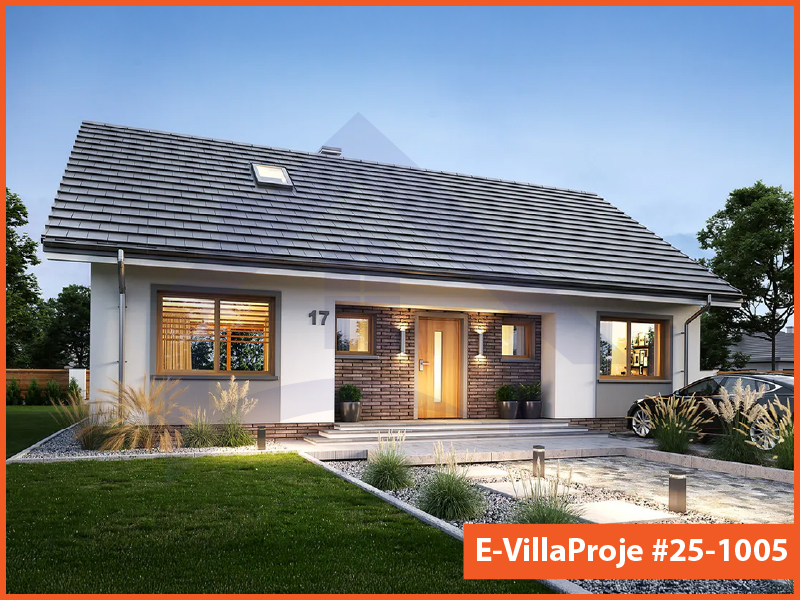
While building codes traditionally focus on structural mechanics and thermal conductance, indoor air quality directly governs human health. Humans spend over 90% of their lives within enclosed environments. In hermetically sealed Passive House envelopes, preventing the accumulation of volatile organic compounds (VOCs), formaldehyde, radon, and sub-micron particulates (PM2.5, PM10) is an absolute engineering imperative. SerVilla cold-formed steel framing eliminates synthetic resins and off-gassing adhesives entirely, pairing inorganic structural safety with surgical-grade ventilation filtration.
1. Chemical Off-Gassing Physics: Steel vs. Engineered Wood / OSB
Glued structural panels such as Oriented Strand Board (OSB), particleboard, and structural plywood rely on urea-formaldehyde, phenol-formaldehyde, or polymeric diphenylmethane diisocyanate (pMDI) resin binders:
- AgBB & EN 16798-1 Strictures: The German Committee for Health-Related Evaluation of Building Products (AgBB) specifies a Total VOC target of ≤ 0.3 mg/m³.
- Zero Formaldehyde in Structural Steel: SerVilla structural cold-formed steel is 100% inorganic galvanized structural grade steel (S350GD+Z275). It contains zero binders, plasticizers, or solvents, exhibiting true 0.00 ppm emissions.
- Microbiological Resilience: Steel does not absorb moisture, eliminating organic substrates required for mold sporulation (Aspergillus, Cladosporium) inside wall cavities.
2. Multi-Stage Filtration Architecture: ISO 16890 & HEPA H13
Fresh air supplied by the Mechanical Ventilation with Heat Recovery (MVHR) system traverses multi-stage purification cassettes:
- G4 Pre-Filter (ISO Coarse 65%): Captures coarse pollen, sand dust, and hair, extending downstream filter service intervals.
- ePM1 80% (F7 Grade): Intercepts 80% of combustion soot, fine industrial dust, and bacteria down to 1 micron.
- Medical HEPA H13 (EN 1822): Certified to capture 99.95% of airborne micro-particles at 0.3 microns, including virus-carrying aerosols, soot, and ultrafine allergens.
- Active Carbon Media: Neutralizes environmental odors, sulfur dioxide (SO2), and traffic-induced nitrogen oxides (NOx) via physical adsorption.
| Environmental Metric | Typical Conventional Home | SerVilla Passive Steel Home | Guideline Threshold (WHO / AgBB) | Control Methodology |
|---|---|---|---|---|
| Formaldehyde (HCHO) | 0.08 – 0.15 ppm | < 0.01 ppm | ≤ 0.03 ppm | 100% inorganic steel structure + A1 plasterboards |
| Total VOCs (TVOC) | 1.2 – 3.5 mg/m³ | < 0.2 mg/m³ | ≤ 0.3 mg/m³ | Solvent-free mineral finishes & certified EMICODE EC1+ tapes |
| CO2 Concentration (Bedrooms) | 1,400 – 2,200 ppm | 550 – 750 ppm | ≤ 800 ppm | Continuous fresh air delivery (30 m³/h per person) |
| Fine Particulates (PM2.5) | 25 – 45 μg/m³ | < 2 μg/m³ | ≤ 5 μg/m³ | Multi-stage ISO ePM1 80% & HEPA H13 filtration |
| Radon Activity | 120 – 350 Bq/m³ | < 20 Bq/m³ | ≤ 100 Bq/m³ | Continuous sub-slab membrane & controlled balanced pressure |
3. Carbon Dioxide Equilibrium & Demand-Controlled Ventilation
Elevated CO2 induces cognitive fatigue and degrades sleep stages:
- Pettenkofer Benchmark: 1,000 ppm is the accepted statutory threshold. SerVilla climate automation modulates air exchange to maintain living spaces below 750 ppm.
- Modulating VAV Dampers: Optical non-dispersive infrared (NDIR) sensors detect occupant density in real time, automatically adjusting damper positions without unnecessary fan energy waste.
4. Psychrometric Humidity Regulation via Enthalpy Exchangers
Winter ventilation can desiccate indoor air (<30% RH), compromising mucous membranes. SerVilla utilizes cross-counterflow enthalpy polymer exchangers to recover up to 65% of exhaust moisture, maintaining indoor relative humidity in the biological optimum of 40% to 55%.